Vintage Airplane Embroidery Design
First Impression: Sweet, Nostalgic, and Instantly Recognizable
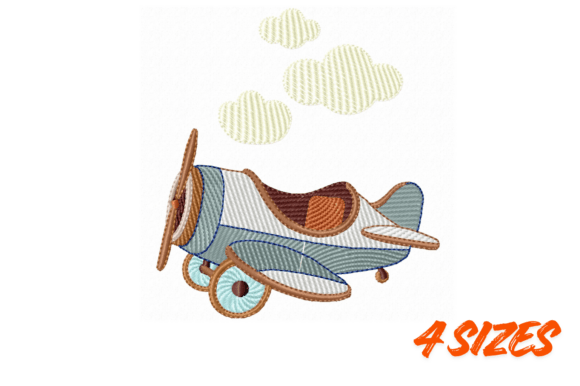
As an embroidery designer who’s prepped over 200 craft fair booths—from tiny pop-ups in library lobbies to bustling downtown maker markets—I know how fast a customer’s eye moves across a table. The Vintage Airplane Embroidery Design lands exactly where it should: soft but spirited, nostalgic without being dated, and undeniably baby-adjacent without screaming “nursery only.” That “adorable vintage airplane with fluffy clouds” description isn’t fluff—it’s accurate tone-setting. This isn’t a steampunk biplane or a WWII fighter; it’s a friendly, rounded, storybook-style aircraft with gentle curves and cloud shapes that read as plush, not pixelated. It leans into cute and whimsical, with just enough detail to feel handmade—not generic.
Where It Shines: Craft Fair Products That Sell Fast
This design thrives on products where charm and clarity matter more than complexity. At a craft fair, your booth wins when something makes a shopper pause mid-stride—and the Vintage Airplane Embroidery Design does that best on:
- Tote bags: Centered on natural canvas or oatmeal linen, it reads clearly from 6 feet away—no squinting needed. The clouds add lightness; the plane anchors the composition.
- Tea towel embroidery: On flour-sack cotton or textured waffle weave, the airy silhouette holds up beautifully—even with slight fabric movement during stitching.
- Embroidered patches: Perfect for iron-on or sew-on use on denim jackets, backpacks, or baby bibs. Its compact scale (assuming standard 3–4" width) avoids overcrowding, and the cloud outlines give clean edges for trimming.
- Pillow covers and small pouches: Works as both a focal point and a subtle accent. On a cream linen pillow, it feels boutique-ready; on a striped cotton pouch, it adds quiet personality.
- Aprons and market bags: Especially effective on the chest pocket or lower front panel—small enough to fit comfortably, big enough to be legible while someone’s browsing your table.
Where It Needs Thoughtful Execution
Not every surface is forgiving—and this design reveals its limits quickly if rushed. As a working embroidery designer, I always ask: Does it translate across texture, curve, and contrast?
On caps, the curved crown can distort delicate cloud outlines unless you use a low-profile cap frame and reduce density slightly. On dark fabric, confirm the thread colors included support high visibility—especially for tiny propeller details or cloud fluff. And on textured towels (like heavy terry or looped cotton), avoid ultra-fine stitch work: dense fill areas may sink or blur. If the original machine embroidery design includes tight satin-stitched wings or micro-clouds, test it on scrap first.
Photography, Listings, and Online Appeal
This is one of those rare digital embroidery files that photographs well *without* heavy editing. The contrast between plane and clouds gives natural depth, and the soft shape renders cleanly in natural light—critical for Etsy sellers building trust through authenticity. Pair it with a printable mockup showing the design on a folded tea towel or a relaxed linen tote, and you’ve got scroll-stopping listing imagery. Bonus: it scales gracefully. A 2.5" version reads perfectly on a baby onesie tag; a 5" version stays balanced on a 14" pillow cover. That versatility means fewer file variants to manage—and more consistent brand storytelling across your small shop product line.
Production Realities: Speed, Clarity, and Batch Confidence
For makers running tight craft fair timelines, the Vintage Airplane Embroidery Design earns high marks for batch production. It’s not overly dense—so hoop changes are quick, thread breaks rare, and stabilizer usage predictable (light- to medium-weight cutaway works well on most stable fabrics). There’s no fine lettering or intricate shading to slow you down. What you see in the preview is what stitches cleanly—no hidden traps like overlapping jump stitches or nested fills that gum up commercial machines.
That said: always test. Run it on scrap fabric matching your final product—same weight, same finish, same dye lot if possible. Check spacing between plane and clouds at your chosen size; verify thread contrast on both light and dark bases; and confirm the hoop size fits your workflow (most versions will sit comfortably in a 4x4 or 5x7 hoop). Use the right stabilizer for your fabric texture—especially on knits or loosely woven linens. And if you’re selling finished goods, double-check licensing: this is a digital embroidery file, so confirm whether commercial use is included before stitching up 50 embroidered patches for resale.
Booth Impact and Buyer Connection
In person, the Vintage Airplane Embroidery Design builds instant warmth. It doesn’t shout—it invites. Parents smile. Grandparents pause. Design-savvy shoppers appreciate the balance of simplicity and character. It supports handmade product credibility because it looks intentional, not algorithm-generated. When grouped with other soft-hued, nature- or story-inspired designs (think hot-air balloons, sleepy owls, or winding train tracks), it strengthens your booth’s cohesive mood—especially for the Babies and early childhood niche.
It also lends itself to cross-selling: pair an airplane-embroidered tea towel with a coordinating cloud-patterned dishcloth, or offer a “Sky Collection” gift set. That kind of bundling boosts average order value—and the Vintage Airplane Embroidery Design holds its own as the hero motif without overwhelming supporting pieces.
Final Designer Notes Before You Stitch
Before cutting fabric or loading your machine:
- Test the embroidery file on scrap fabric matching your final product’s weight and texture.
- Check thread contrast—especially on dark or heathered bases.
- Review spacing: ensure clouds don’t crowd the plane at your target size.
- Confirm hoop compatibility—don’t assume it fits your standard frame without measuring.
- Inspect stitch density: avoid excessive fill in small cloud areas if embroidering on textured towels or caps.
- Use appropriate stabilizer—cutaway for stretchy knits, tear-away for stable wovens.
- Create at least one real mockup—not just digital—to assess scale, color harmony, and tactile appeal.
- Compare fabric colors side-by-side: cream vs. oatmeal vs. ivory behave differently under thread.
- Verify commercial licensing terms before producing finished goods for sale.
The Vintage Airplane Embroidery Design isn’t just another Embroidery download—it’s a thoughtful, market-tested asset for creative entrepreneurs who value clarity, charm, and craft fair-ready practicality. Stitch it smart, display it with intention, and watch it lift your craft fair product lineup—gently, confidently, and with unmistakable handmade heart.