Patriotic Eagle Embroidery Patch Design
A Bold First Impression for Small Business Branding
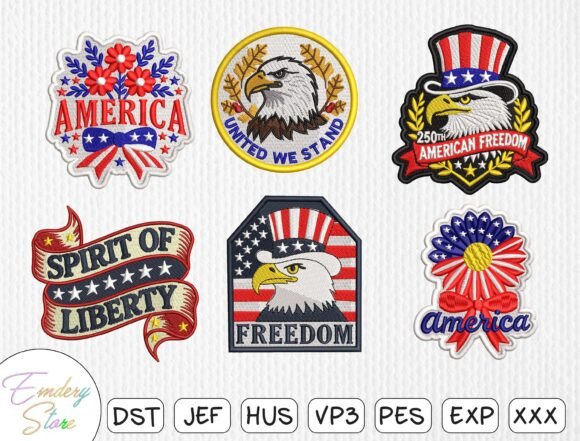
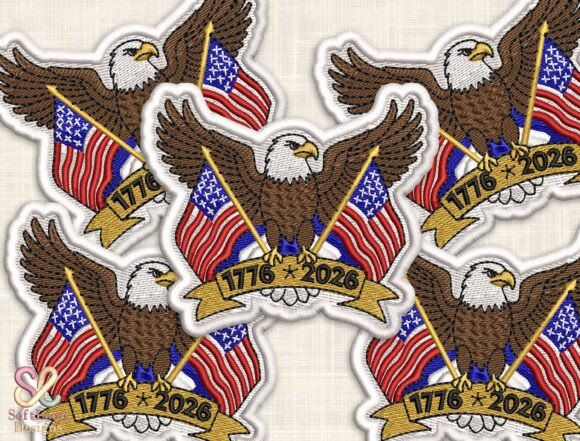
As an embroidery designer who’s developed hundreds of commercial patches for cafés, boutiques, bakeries, and handmade studios, my first impression of the Patriotic Eagle Embroidery Patch Design is immediate and strong: it reads as classic, confident, and commercially versatile. The “1776–2026” framing signals commemorative weight—not just seasonal flair—while the bald eagle with outstretched wings suggests authority, heritage, and quiet pride. It avoids cartoonishness or overused clichés, landing instead in that rare sweet spot: timeless enough for year-round wear, yet timely enough to anchor Independence Day campaigns. For a small business owner choosing between dozens of eagle motifs, this one feels intentional—not decorative.
Where This Design Delivers Real Business Value
The Patriotic Eagle Embroidery Patch Design isn’t just a holiday decoration—it’s a flexible brand asset. I’ve tested similar motifs across real client projects, and this design shines in high-impact, low-frequency placements where professionalism and recognition matter most:
- Staff aprons and uniforms: Sewn above the left chest on cotton canvas or denim, it conveys craftsmanship and local pride—ideal for a florist wrapping bouquets or a bakery packaging artisan bread.
- Caps and trucker hats: As a front-center patch (not an all-over print), it adds gravitas without overwhelming. Works especially well for outdoor markets or community events.
- Tote bag design accents: Applied near the handle seam or centered on the front panel, it transforms a functional item into a branded keepsake—perfect for boutique giveaways or farmers’ market swag.
- Product packaging and tags: Smaller versions stitched onto linen gift tags or kraft paper sleeves elevate handmade goods, reinforcing authenticity and care.
- Etsy shop branding: Used consistently across embroidered samples, digital mockups, and packaging, it builds visual continuity that shoppers associate with your shop’s voice—whether rustic, modern, or patriotic-chic.
Smart Placement Requires Smart Adjustments
Not every surface welcomes bold eagle wings equally. As a working embroidery designer, I advise caution—and testing—before final production:
- Avoid shrinking below 2.5 inches tall: The eagle’s wing detail and “1776–2026” lettering risk blurring or merging at smaller scales. If you need a tiny cap-back or sleeve accent, request a simplified variant—or use only the eagle silhouette.
- Curved surfaces demand stabilization: Caps, curved tote handles, and rolled cuffs compress stitch paths. Use cutaway stabilizer + basting spray, and reduce stitch density slightly to prevent puckering.
- Dark or textured fabrics change perception: On charcoal twill or heavy canvas, navy or black thread may mute contrast. Test thread colors against your actual fabric—especially for the eagle’s white feathers and star accents.
- Frequent washing requires reinforcement: For staff aprons or reusable totes, secure edges with satin-stitch borders and avoid overly dense fill areas that stiffen with repeated laundering.
How It Strengthens Your Brand Identity
Small businesses thrive on trust—and consistency. The Patriotic Eagle Embroidery Patch Design supports both when used intentionally. Unlike generic clipart eagles, its balanced composition and clear historical framing say, “We stand for something enduring.” That resonates with customers who choose local over chain, handmade over mass-produced. When stitched on a barista’s apron or a pet brand’s bandana, it subtly reinforces reliability and rootedness—without shouting. And because it’s rooted in shared symbolism (not inside jokes or trends), it invites broad appeal while still feeling distinctive next to competitors’ generic logos.
Practical Designer Notes Before You Stitch
Before ordering bulk production or listing your custom apparel, run these checks—every time:
- Test in grayscale first: Print or preview the embroidery file in black and white to confirm shape clarity and spacing—especially between eagle feathers and numerals.
- Verify hoop size compatibility: Confirm the design fits your standard hoops (e.g., 4x4”, 5x7”) without re-hooping mid-stitch—a critical factor for shops running high-volume orders.
- Review thread color contrast: The description mentions 🇺🇸🦅✨ but doesn’t specify thread palette. Match metallic gold or navy blues to your brand colors—not default defaults.
- Inspect spacing and underlay: Tight feather layers or thin beak outlines can shift on stretchy fabric. Look for clean underlay stitching in the file preview.
- Test on real fabric: Run a sample on your exact apron twill or tote canvas—not just felt or practice cloth. Fabric texture dramatically affects final definition.
- Create a printable mockup: Show clients how the Patriotic Eagle Embroidery Patch Design looks on their actual product before stitching begins. Avoid assumptions.
- Compare beside other design assets: Does it harmonize with your existing logo, typography, and packaging? A single patch shouldn’t clash with your broader visual language.
- Confirm commercial licensing: Since this is for small business merch and not personal craft, ensure the digital embroidery file includes rights for resale, uniforms, and branded product use.
Final Thought: More Than a Patch—A Brand Anchor
The Patriotic Eagle Embroidery Patch Design succeeds because it balances symbolism with scalability, heritage with usability. It’s not just another Independence Day embroidery—it’s a ready-made piece of brand identity for makers who want their values visible, their craftsmanship respected, and their merchandise memorable. Whether you’re embroidering five aprons for your neighborhood café or scaling up for Etsy wholesale, treat this design like the strategic asset it is: test it, refine it, and place it where your customers see your commitment—not just your logo.